Historic Centre Of Florence
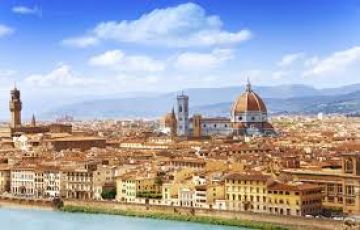
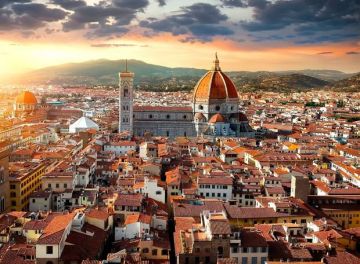
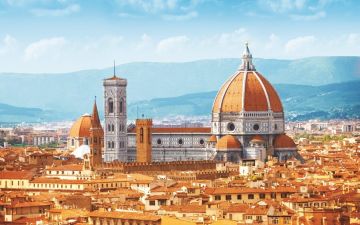
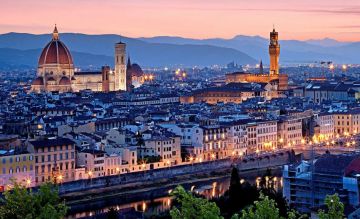
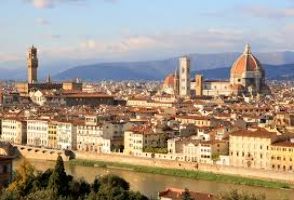
The memorable focus of Florence is a piece of quartiere 1 of the Italian city of Florence. This quarter was named a World Heritage Site by UNESCO in 1982.Built on the site of an Etruscan settlement, Florence, the image of
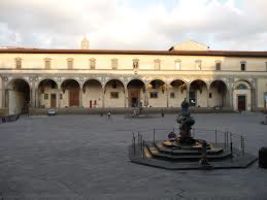
This brilliant wellspring was planned in the sixteenth century by a popular stone carver and an understudy of Michelangelo, Bartolomeo Ammannati. It is ruled by a statue of Neptune remaining on the octagonal base. The lord of freshwater and the
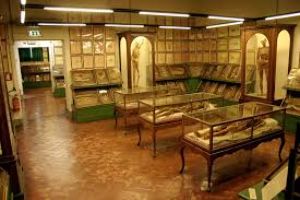
The Museum of Zoology and Natural History, best known as La Specola, is a ied characteristic history exhibition hall in Florence, focal Italy, situated by the Pitti Palace. The name Specola implies observatory, a reference to the galactic observatory established
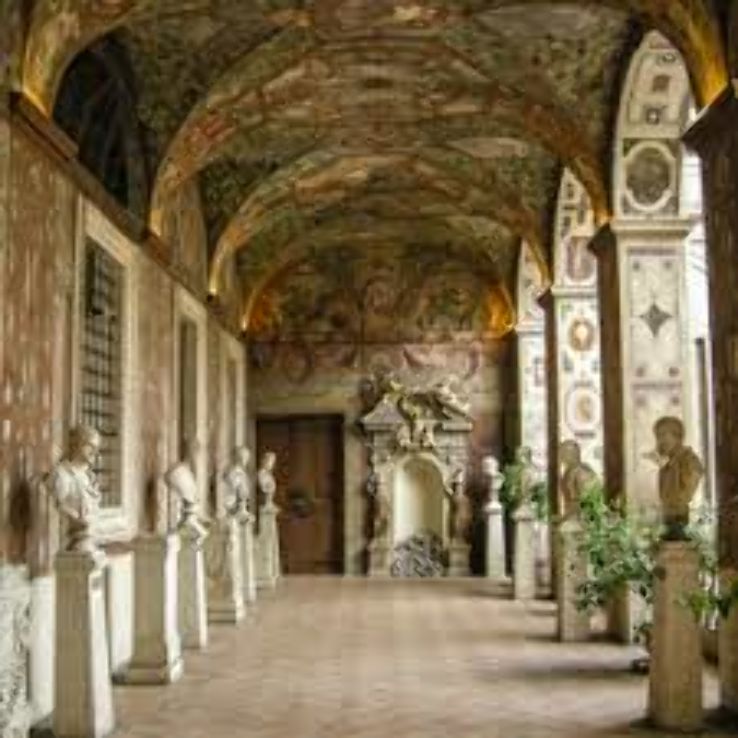
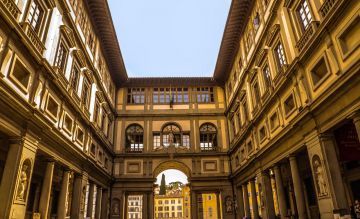
The Gallery takes its name from the way that it is situated in the castle of the prevailing family and was opened to the pubblic by the House of Lorraine in 1828. Indeed, even today despite everything it safeguards the
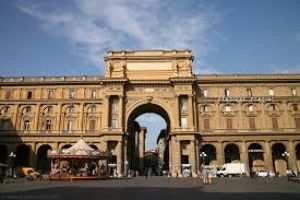
It is a city square in Florence, Italy. It is on the site, first of the city's gathering and afterward of the city's old ghetto, which was cleared away amid the city change works or Risanamento started amid the concise
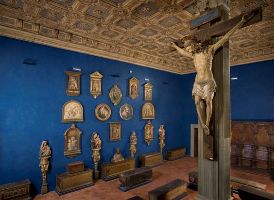
Stefano Bardini 1836– 1922 was an Italian authority and craftsmanship merchant in Florence who had some expertise in Italian compositions, Renaissance form, cassoni and other Renaissance and Cinquecento decorations and design sections that went ahead the market amid the urbanistic
Federico Stibbert 1838-1906, the authority who lived in the manor on the slope of Montughi, had a place with the refined universe of journalists and men of letters, English workmanship novices and other people who entered the life of Florence
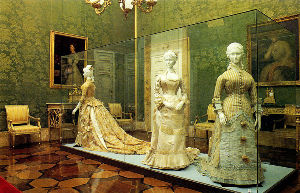
The Costume Gallery is housed in the little working of the Meridiana of the Pitti Palace, which was started under Grand Duke Pietro Leopoldo in 1776 and finished in 1840 and picked as living arrangement by the families that ruled
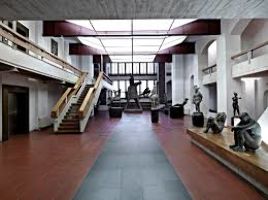
Marino Marini 1901– 1980 was a standout amongst the most critical Italian specialists of the twentieth century, particularly as a stone carver. He was conceived in Pistoia, however he examined craftsmanship in Florence, before moving to Monza as an instructor