Today I recall ?She walks in beauty, like the night Of cloudless climes and starry skies? . Folks you must be thinking hard as to what are we upto? Today we are going to discuss the beauty of some majestic World Heritage sites in Asia. These sites are really an eyeful to enchant any visitor.
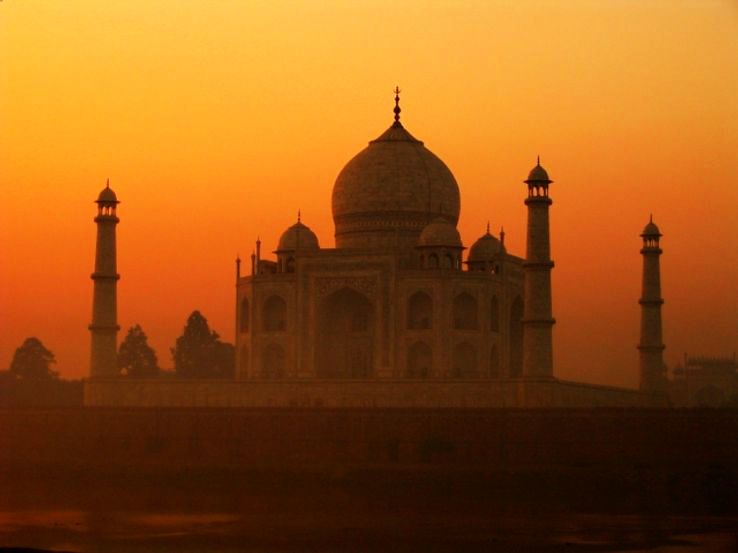
1. Taj Mahal (India)
: Known to be the most spectacular man made monument dedicated to nuptial love, Taj Mahal is one of the Seven Wonders of the World. Built in white marble, this structure says volumes about the stupendous Mughal architecture. The sheer size of the Taj Mahal is no less than incredible and makes it a must visit in any India vacation plan.
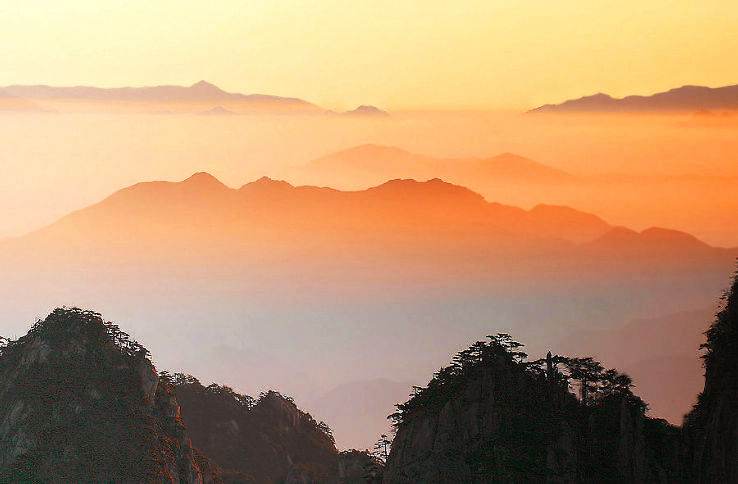
2. Huang Shan (China)
: Nature was at her mysterious best when she thought of creating this site. Otherwise known as the Yellow mountain, Huang Shan is a scenic place where granite peaks are at competition with the clouds as to who will tower high. The entire landscape looks like a painting that depicts a lost world. Tourists gather here for a life long memory of enjoying sun rise over the incredible peaks.
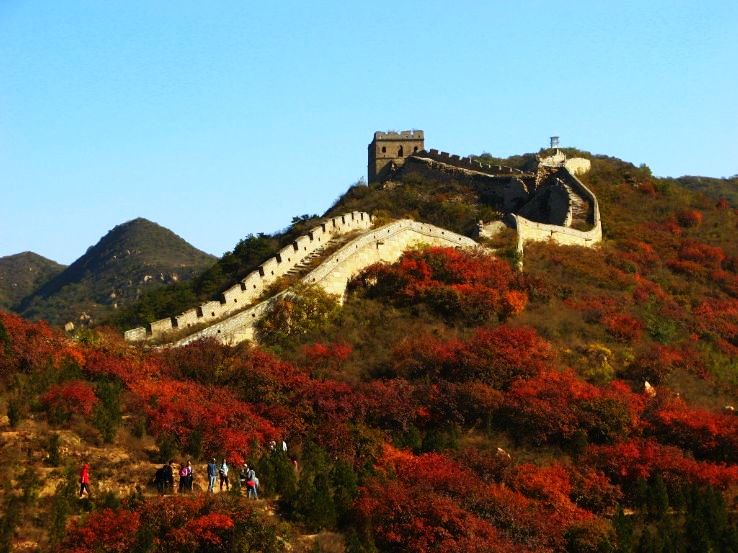
3. Great Wall (China)
: Now, this needs no introduction! An aerial view of this wall gives you the impression of a stream made of rocks that is crawling across mountains with a rise and fall structure. On the other hand, if you see the wall from one of its towers, you will find it getting immersed in the horizon.
4. Konya- Urgench (Turkmenistan)
: This happened to be a prosperous city before it was destroyed by Genghis Khan. Now the ruins of past glory invites travellers who are interested in ancient Asian history and architecture. The most striking extant landmark of Old Urgench is the early 11th-century Gutluk-Temir Minaret, that stands at 60 meters. Another major attraction is the T?rebeg Hanym Mausoleum.
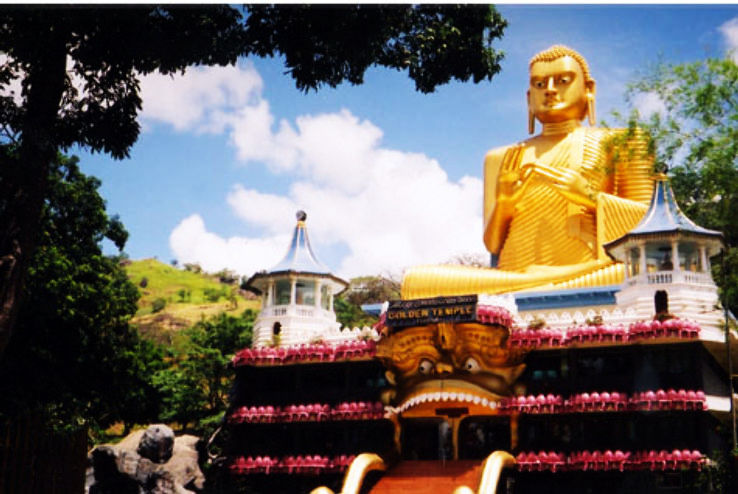
5. Dambulla Cave Temple (Sri Lanka)
: The meaning of cave temples takes a whole new turn when we talk about these ones. These caves have been associated with a Buddhist monastery and now contain dozens of statues and paintings depicting Buddha, Sri Lankan kings, and various Hindu deities.
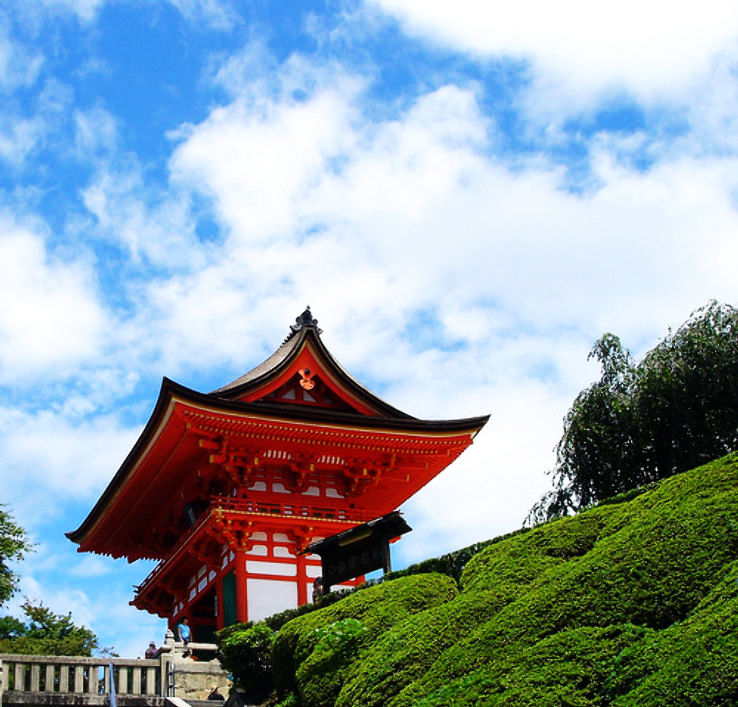
6. Kiyomizu-dera (Japan)
: An ancient shrine in Kyoto in Japan, this amazing building is a fine specimen of Japanese architecture. For the records, there is not even a single nail in the temple and is supported by some awesome traditional engineering skills. The main hall has a large veranda, supported by tall pillars, that juts out over the hillside and offers impressive views of the city.
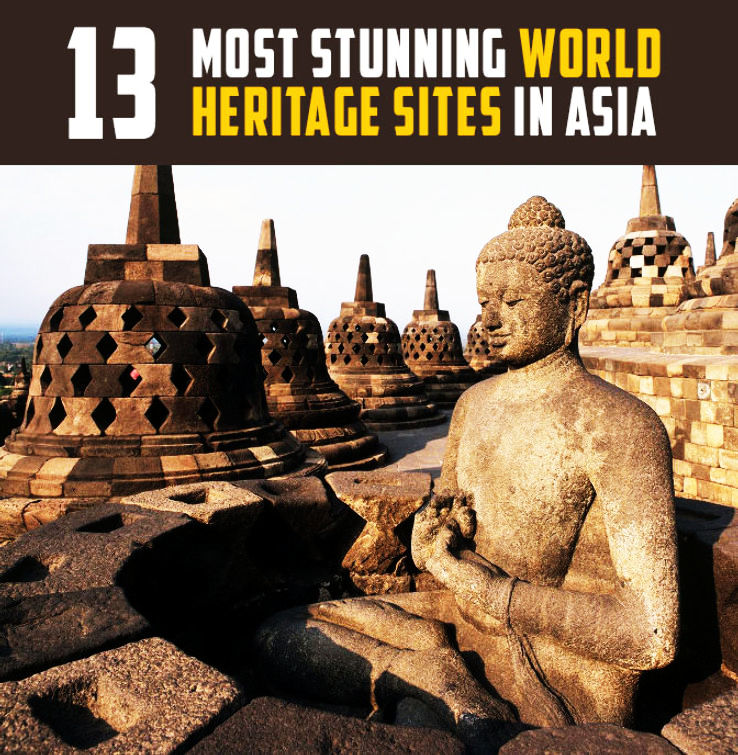
7. Borobudur (Indonesia)
: It is a ninth century Buddhist pilgrimage near central Java. The monument comprises six square platforms topped by three circular platforms, and is decorated with 2,672 relief panels and 504 Buddha statues.
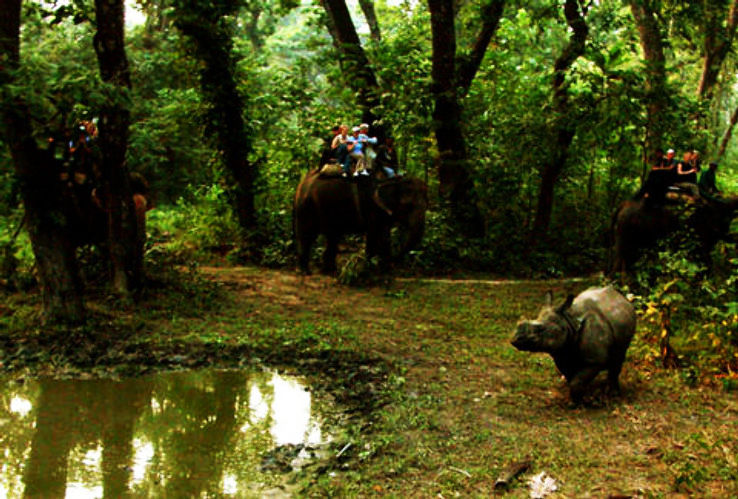
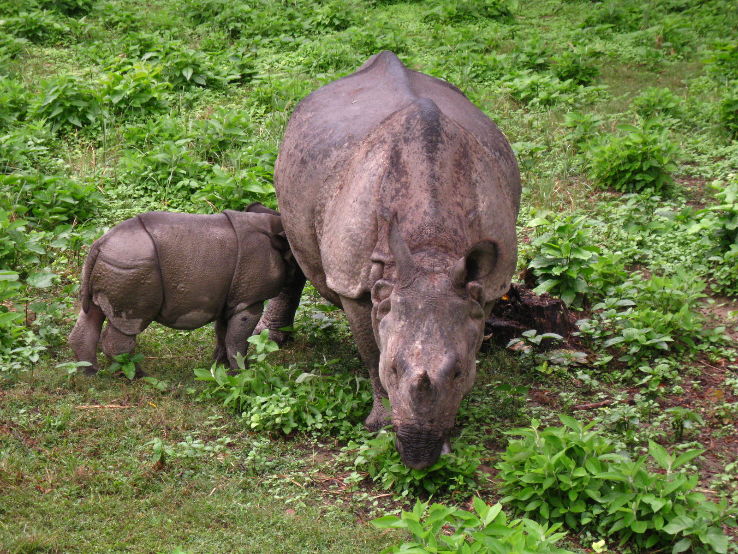
8. Chitwan National Park (Nepal)
: This wildlife haven is a perfect instance of the rich tropical life in Nepal. Established in 1973, Chitwan is the first national park in Nepal with a area spanning 932 sq kms. Take an elephant safari to explore this forest that is home to the Indian rhinoceros and Bengal tigers. For adventure seekers, there are hiking and canoeing opportunities.
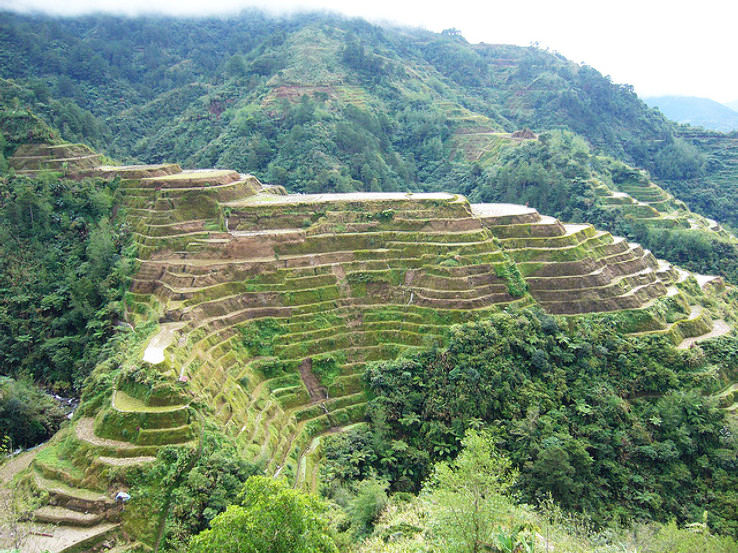
9. Banaue Rice Terraces (Philippines)
: Locals view this as the Eighth wonder of the World. These tarraces are said to be 2000 years old that were carved into the mountains of Ifugao province in the Philippines. The terraces are located approximately 1500 meters (5000 ft) above sea level and cover 10,360 square kilometers (about 4000 square miles) of mountainside. That is quite a number!
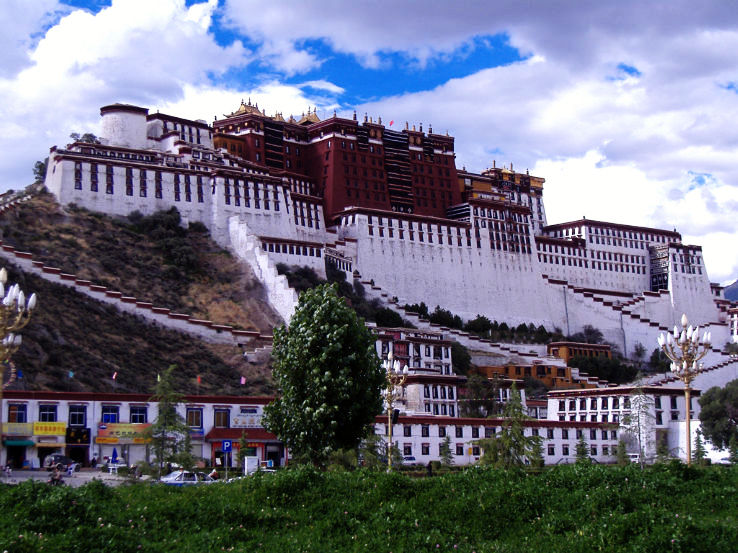
10. Potala Palace (Tibet)
: Presenting to you the former residence of the Dalai Lama before he moved to India. A towering mansion in the the old town in Lhasa, Potala Palace is the custodian of Tibetan and Buddhist art, history, and religious artifacts. Statistically, it is a 13 storey building with more than 1,000 rooms and 10,000 shrines.
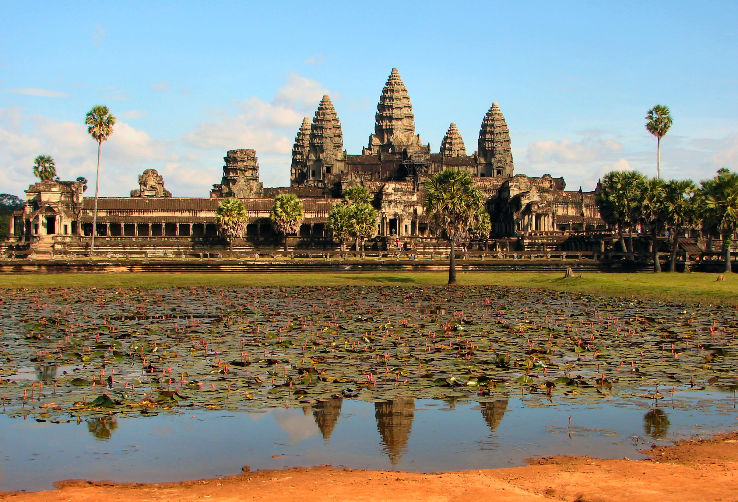
11. Angkor (Cambodia)
: The ruins of the ancient Angkor city which was reigned by the Khmer dynasty with more than one thousand temples attracts millions of tourist every year. These temples are the finest surviving examples of classical Khmer architecture.
12. Ha Long Bay (Vietnam)
: Ha Long Bay is located in northeastern Vietnam. The limestone islets of Ha Long Bay creates distinctive and beautiful landscape. The best way to explore it is boating on the placid waters and enjoy a stay on the floating house boats.
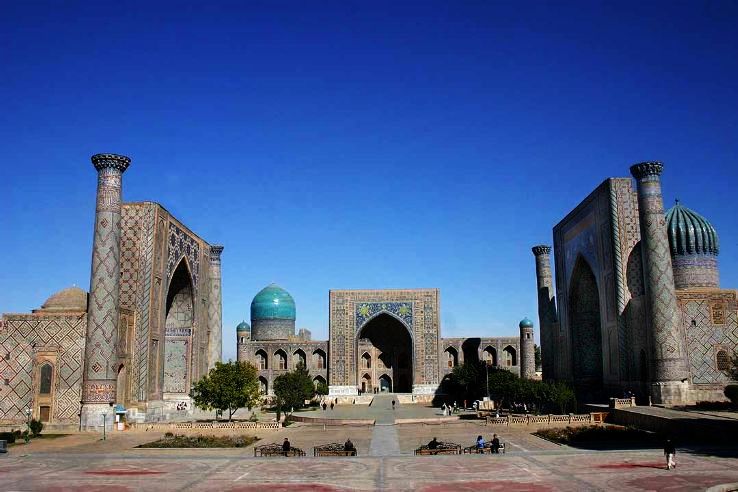
13. Samarkand (Uzbekistan)
: Samarkand finds itself located in the central position of the famous Silk Road and is an Islamic center for scholarly study. A tourist can not afford to miss a visit The Registan, or ancient center of the city, and the Bibi-Khanym Mosque. The Asian region is well known for its social and cultural diversity. But one thing that is common here is the rich and prolonged history of the nations and the universal aura surrounding that. A traveller can witness so much of myriad sights and sounds in his/her stint with Asia that might actually challenge his/her compiled experience. So, gear up for a heritage tour with the Asian World Heritage Sites!